
In Minnesota you can legally sell a house as-is: you agree not to make repairs and the buyer accepts the condition. But as-is does not cancel your disclosure duties. Under Minn. Stat. 513.52 to 513.61, a seller of residential property must tell the buyer in writing about material facts they know of that could significantly affect the buyer's use and enjoyment. Well, septic and radon disclosures are separate and also apply.
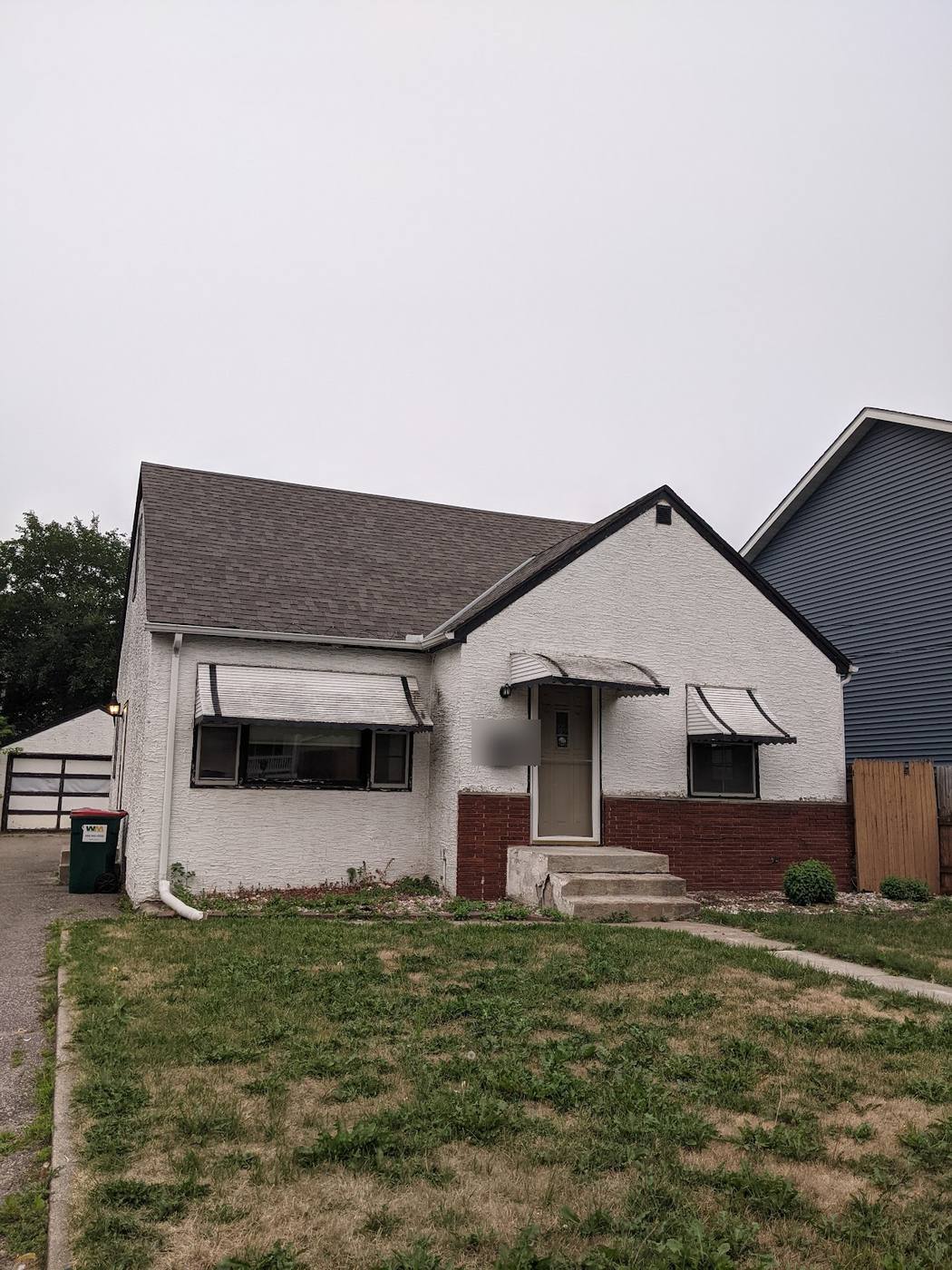
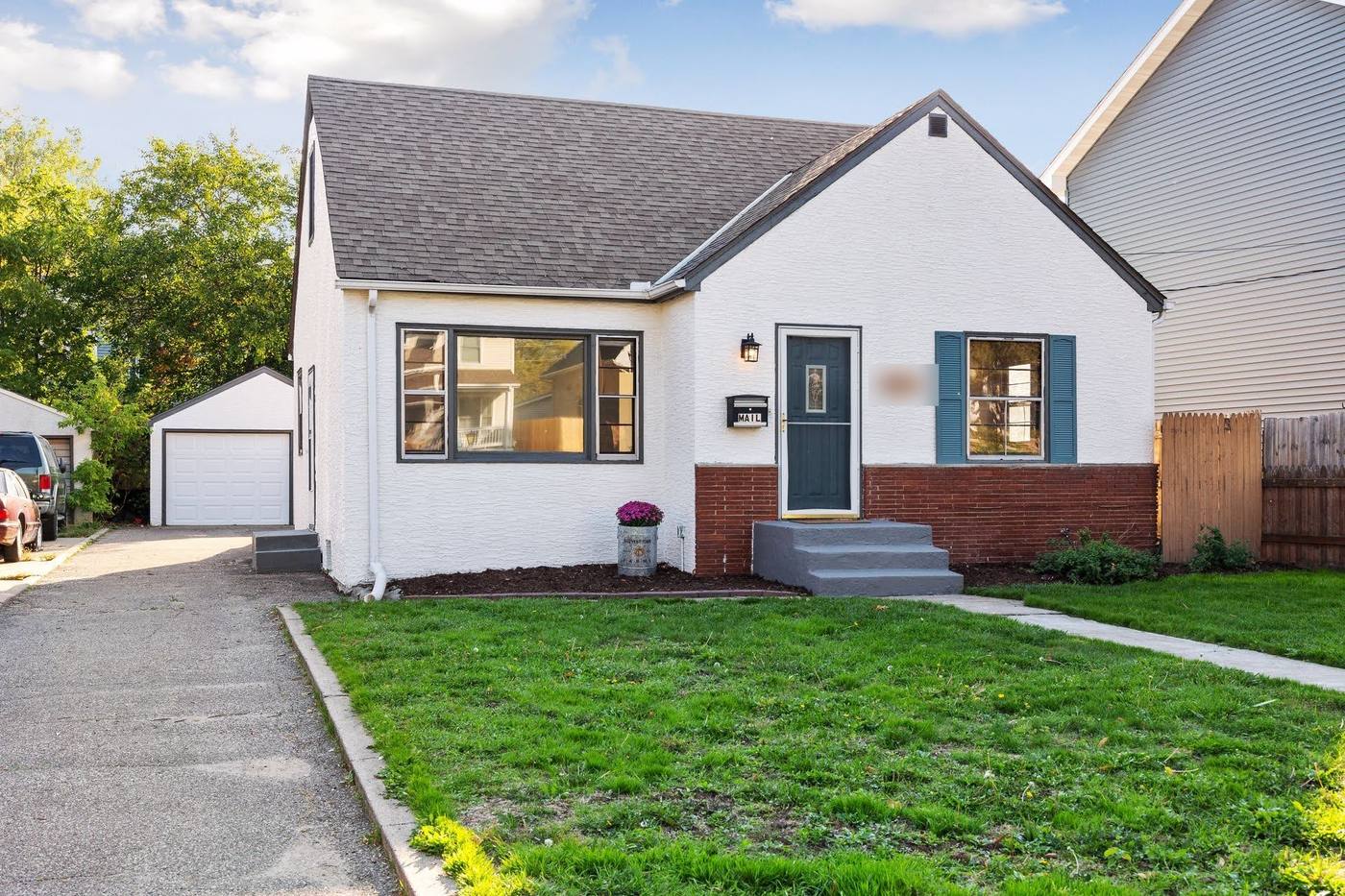
What does "as-is" mean in Minnesota?
It is a term of the purchase agreement, not a legal status. It says the buyer takes the property in its current condition and the seller won't repair or credit for repairs. The disclosure statutes I list below don't have an exception for as-is sales. They apply based on who the seller is and how the property is transferred, not on how the contract describes the condition.
What must I disclose to the buyer?
The seller disclosure law is Minn. Stat. 513.55. In short:
- You disclose all material facts you are aware of that could adversely and significantly affect the buyer's use and enjoyment of the property.
- It must be in good faith, based on your best knowledge at the time.
- It is in writing and given before the buyer signs the purchase agreement.
- If you later learn it was wrong, you must tell the buyer in writing as soon as reasonably possible, and before closing (513.58).
Some things you do not have to disclose, such as a death on the property or a past link to certain events, under 513.56. Other limits exist for registered-offender information.
Who is exempt from the disclosure law?
Section 513.54 lists exemptions. They include non-residential property, court-ordered transfers, transfers to heirs, transfers to close family members, and transfers to a tenant in possession. Whether an exemption fits your sale is a legal question. If you're selling an estate property, see selling an inherited house and ask the estate's attorney.
Can the disclosure be waived or replaced?
- Waiver: section 513.60 lets seller and buyer waive the disclosure if they agree in writing. It does not waive disclosure duties that come from other laws.
- Alternative: under 513.56, a qualified third-party inspection report can satisfy the duty. You still must disclose known facts that contradict the report.
Buyers who purchase for cash often ask to waive. That is their choice and yours, but get it in writing and read what you are signing.
What happens if I don't disclose?
Under 513.57, a seller who fails to disclose a material fact they were aware of is liable to the buyer for damages and may face equitable relief. The buyer has two years after closing to sue under that section. You are not liable for things you could not personally know if you relied on third-party information with ordinary care. Fraud and negligent misrepresentation claims remain available separately.
What about wells, septic and radon?
| Item | What the statute requires |
|---|---|
| Wells (103I.235) | Before signing, disclose in writing the status and location of all known wells (in use, not in use, sealed), or say you know of none. At closing a well disclosure certificate is signed, or the deed carries a no-wells statement. The county recorder may not record the deed without one of them. Failing to disclose a known well can make you liable for sealing costs and attorney fees, for up to six years after closing. |
| Septic (115.55 subd. 6) | Before signing, state in writing whether sewage goes to a permitted facility. If not, describe the system, show its location, say what you know about its compliance, whether you know of a straight-pipe system, and hand over any inspection report. Failing to disclose can make you liable for the cost of bringing the system into compliance and attorney fees, for up to two years after closing. |
| Radon (144.496) | Before signing, disclose what you know about radon tests, reports, mitigation, and give the buyer the state's radon warning statement and the Department of Health publication "Radon in Real Estate Transactions." |
The septic and well liability can be changed if you and the buyer agree otherwise in writing before closing, but the disclosure itself is still the starting point.
What still applies in a cash sale?
All of it. The disclosure law looks at the seller and the type of transfer, not whether the buyer uses a loan. A cash sale usually removes lender requirements, like an appraisal or lender-required repairs, but it does not remove your disclosures, the city's point-of-sale rules (see the TISH guide), the well certificate, or the title and closing steps.
What are my options for selling as-is?
- List it as-is with an agent. You skip the repairs but still market the house, take showings and wait for a buyer. Condition will affect price and who can buy. Compare the numbers in the cash offer vs. listing guide.
- Sell to an investor. One buyer, one visit, a price based on what the house needs. You trade some price for speed and certainty.
- Auction. A sale to the highest bidder on a set date. Auctioneers charge fees and terms vary, so read the contract carefully and ask what you pay and what happens if the bids are low.
None of these removes disclosure. Whichever route you pick, ask about all fees before you sign.
If you're deciding between these, send me the address through the offer form. I'll give you an honest number, and if listing would likely net you more, I'll say that too.