
As of November 2026, Minneapolis and St. Paul both require a Truth in Sale of Housing (TISH) evaluation by a city-licensed evaluator before most single-family homes, duplexes and townhomes are sold. The seller hires the evaluator. In Minneapolis the report can list required repairs that the buyer must finish after closing if the seller does not. In St. Paul the report is mostly a disclosure, and the one required fix is a hard-wired smoke alarm in single-family homes.
What is Truth in Sale of Housing?
TISH is a city "point-of-sale" program. A licensed evaluator walks through the house, writes a condition report, and the report is shown to buyers. Minneapolis and St. Paul each run their own program with their own rules. The evaluators are private professionals, not city employees.
Which homes need a TISH report?
| Minneapolis | Single-family houses, duplexes, townhouses and first-time condo conversions. The city says a report is needed for owner sales, agent sales, advertised sales, contracts for deed and other title transfers. |
|---|---|
| St. Paul | Single-family homes, duplexes, condos and townhomes. Buildings with three or more units, commercial and mixed-use buildings are not covered. Transfers to immediate family (parents, children, grandchildren, siblings) are exempt. |
Neither city's page carves out cash sales. A cash buyer is still a buyer, so plan on the report unless an exemption below applies.
When do I need it?
Minneapolis says you must have the full report before you can show the property. You must also display a copy at showings.
St. Paul says the evaluation must be done before the property is marketed for sale. Its page also says the report must be available to buyers within three calendar days of listing. Those two statements don't match exactly, so the safe move is to order it before you list or accept an offer.
How long is the report valid?
| Minneapolis | Two years or one sale, whichever comes first. |
|---|---|
| St. Paul | 365 days from issue, and only for one sale by the owner named on the report. If the offer was made within the 365 days, closing after that date does not require a new report. |
Who can do the evaluation, and what does it cost?
Only an evaluator licensed by that city. A Minneapolis license does not work in St. Paul, and the reverse is also true. Both cities keep a list of approved evaluators on their TISH pages.
Neither city publishes a fee for the report. Evaluators set their own prices, and Minneapolis suggests comparing costs. I won't quote a dollar figure because I couldn't find one from the city. Call two or three evaluators for a price.
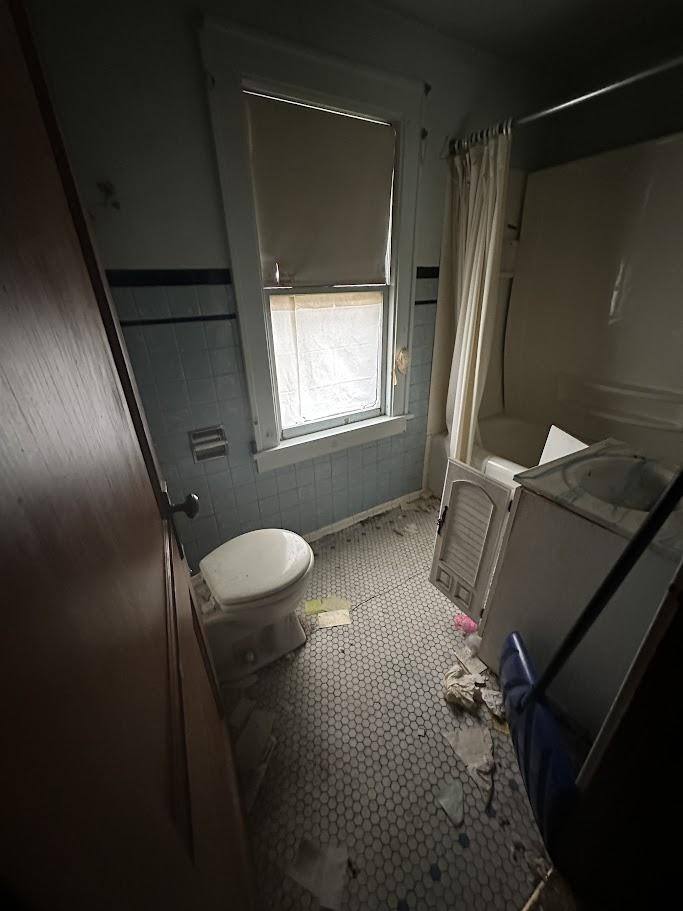
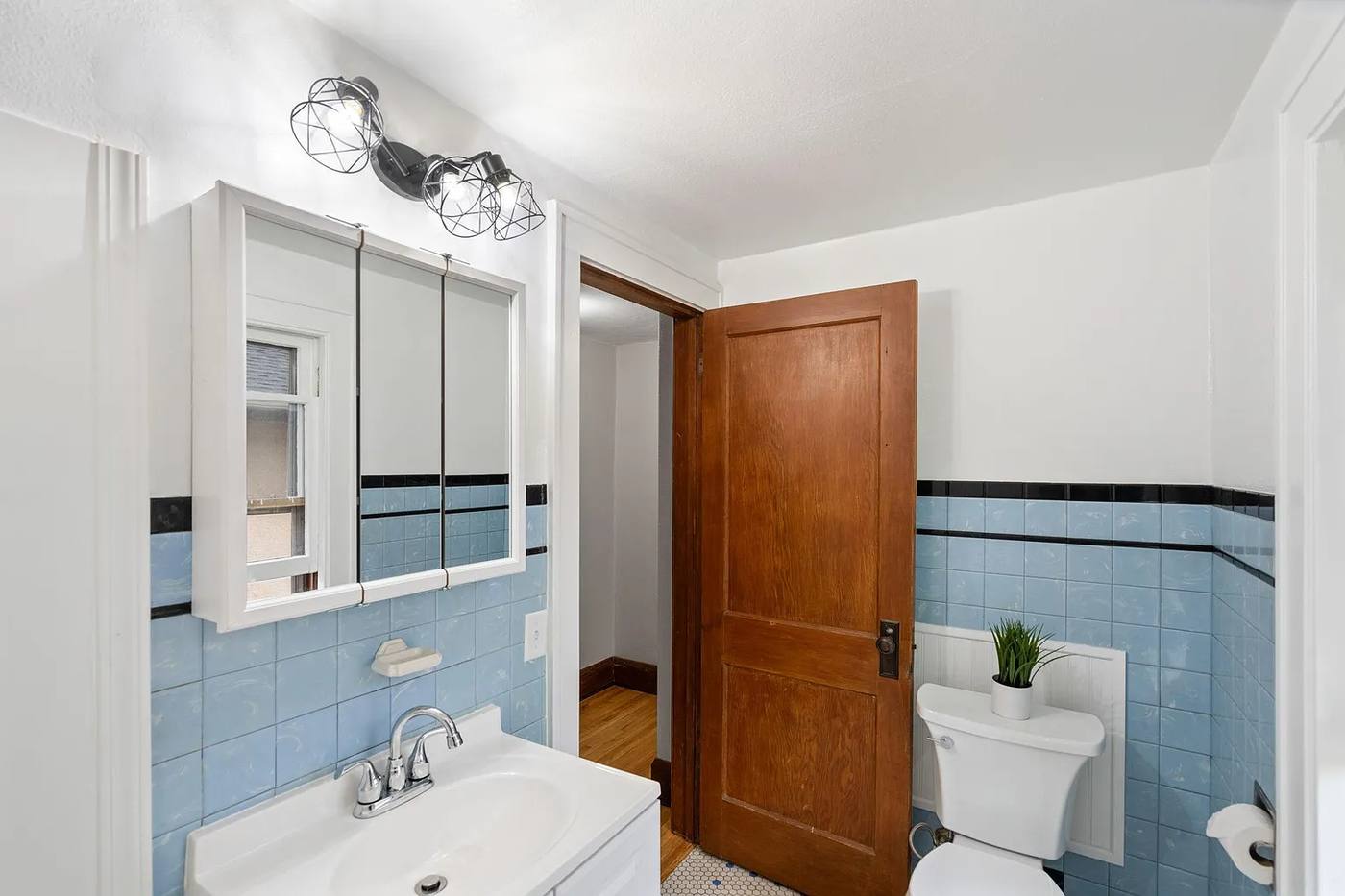
What happens with repairs?
Minneapolis
The report lists items that need repair, if any. You have three choices:
- Fix the items before the evaluation so they never appear on the report. The city says many are simple and inexpensive.
- Fix them after the report. The city reinspects and issues a Certificate of Completion or Certificate of Approval online.
- Close without fixing them. The buyer signs an Acknowledgement of Responsibility, and it goes to the city within one business day of closing. The city says the buyer then has 90 days after closing to finish the repairs. If the seller already holds a Certificate of Approval, the form is not needed.
That third path is why TISH is manageable in an as-is sale: a buyer who agrees to take the repairs can do so.
St. Paul
St. Paul describes the report as intended to give buyers basic information. The only required item in a single-family home is an operational hard-wired smoke alarm. If it is missing or not working, the city sends a letter, and a licensed electrical contractor must pull a permit and install it. For duplexes, condos and townhomes the alarm is "highly encouraged," not required. The city also recommends buyers hire their own inspector. Not complying with the chapter is a misdemeanor.
Are there ways around a new report?
- Minneapolis: a Certificate of Code Compliance (issued after a property leaves condemnation, good up to one year) or a Certificate of Occupancy for a newly built home (good for one sale).
- St. Paul: a valid Certificate of Code Compliance or current Certificate of Occupancy, each good for 365 days.
What about suburbs?
Several suburbs have their own inspection at sale. Two I confirmed from the city's own site:
| Bloomington | "Time of Sale" inspection for single and two-family homes, condos, townhouses and mobile homes (buildings with four or more units are excluded). The city lists a $250 fee at scheduling. |
|---|---|
| Richfield | City inspection of single-family and two-family homes, including condos, with a Certificate of Housing Maintenance needed before transfer. Fees listed: $190 single-family, $270 two-family, $140 condo, including one reinspection. Needed repairs must be finished and reinspected before closing, unless the buyer takes them on under the city's conditions. |
This is not a full list of metro cities. Rules and fees also change. Before you list in a suburb, check that city's website or call its inspections office.
How does TISH affect a cash or as-is sale?
- You still need the report (or a valid exemption), because the rule is about the sale, not how the buyer pays.
- You can sell with the repairs unfinished, but the buyer has to agree. In Minneapolis that means the signed acknowledgement. Ask for it to be spelled out in the purchase agreement.
- The report is a city document. It is not the same as your own duty to tell the buyer what you know about the house. See the as-is selling guide for that.
- If you have code violations or an open city order, those are a separate issue from TISH. An attorney can say how they affect your sale.
If you're staring at a TISH report and wondering whether to fix things or sell as-is, tell me about the house through the offer form, and I'll give you a straight number and an honest opinion, even if listing turns out better.