
You can sell a house with open code problems in Minneapolis or St. Paul, but the city's rules decide how. A condemned or long-vacant house is usually put on the city's vacant building list, with annual fees, and some sales need city sign-off. A house that is merely run-down but occupied mostly goes through the normal Truth-in-Sale-of-Housing report. As a buyer who takes houses as-is, I can take on the repairs, but the city steps below still have to happen.
How does condemnation work in Minneapolis?
Minneapolis can condemn a building that is not safe to live in. The city's condemnation page lists reasons such as a building vacant and boarded for more than 60 days, an inspector finding it unsafe, a poor general-condition score, discontinued utilities, or a housing hygiene problem. The owner can fix the problems or register the building as vacant and enter an agreement to rehab it. Before anyone lives in it again, the owner must prove the problems are fixed, which usually means the code compliance process. Questions go to 311 or 612-673-3000.
What is vacant building registration in Minneapolis?
Condemned buildings often meet the criteria for the city's Vacant Building Registration (VBR) program. Owners must register and pay an annual fee, due at registration and again each year on the anniversary of the date the city found the building vacant. The city's fee page listed an annual fee of $7,228.70 when we checked in November 2026 and says the city may adjust it, so check the page for the current amount. Before the city issues permits to work on a vacant building, the owner has to register and pay the fees. That means unpaid fees can pile up while a house sits.
How does St. Paul handle vacant and condemned houses?
St. Paul requires owners to register with the Department of Safety and Inspections (DSI) a building that is unoccupied and also unsecured, secured by other than normal means, dangerous, condemned, or that has multiple housing or building code violations. The registration form is due within 30 days. The vacant buildings page sorts buildings into categories:
| Category I | Register and pay fees, tell the city about new ownership, restore utilities, comply with orders for legal occupancy, and get a Truth-in-Sale of Housing report. |
|---|---|
| Category II | A sale needs city approval. It requires a code compliance report, a licensed contractor's cost estimate for all repairs, a repair schedule and proof of financial capability. |
| Category III | A sale needs city approval and a Certificate of Code Compliance or Certificate of Occupancy. |
The fee depends on the building's category and how long it has been registered. The city's page doesn't list dollar amounts, so call DSI Vacant Buildings at 651-266-8989 for the current fee and for any fee due when the house is sold.
Can I sell while the orders are still open?
Often yes, and the buyer takes on the repairs. What you can't skip is the city's paperwork:
- Minneapolis: single-family houses, duplexes and townhouses need a Truth in Housing report before the property is shown. A Certificate of Code Compliance (issued after a property comes out of condemnation, good for up to a year) replaces the report. After an evaluation, required repairs may be needed, and a buyer can file an acknowledgement accepting responsibility for them (Minneapolis TISH).
- St. Paul: a TISH report is valid for a year and is required before marketing a one- or two-family house. Category 1 vacant buildings need one. For a single-family house, the only required item is a working hard-wired smoke alarm. Not complying with Chapter 189 is a misdemeanor (St. Paul TISH).
Details for both cities, including who pays, are in the Truth-in-Sale of Housing guide.
What are my options if my house has violations?
- Read the letter and note every deadline and the inspector's name.
- Ask the city what is needed to sell. A phone call to the inspector or DSI often answers it.
- Compare paths: fix it yourself, list it with a disclosure, or sell as-is to a buyer who takes the repairs.
- Get a written offer and have a title company confirm any liens or assessments before closing.
How does selling to me work with violations?
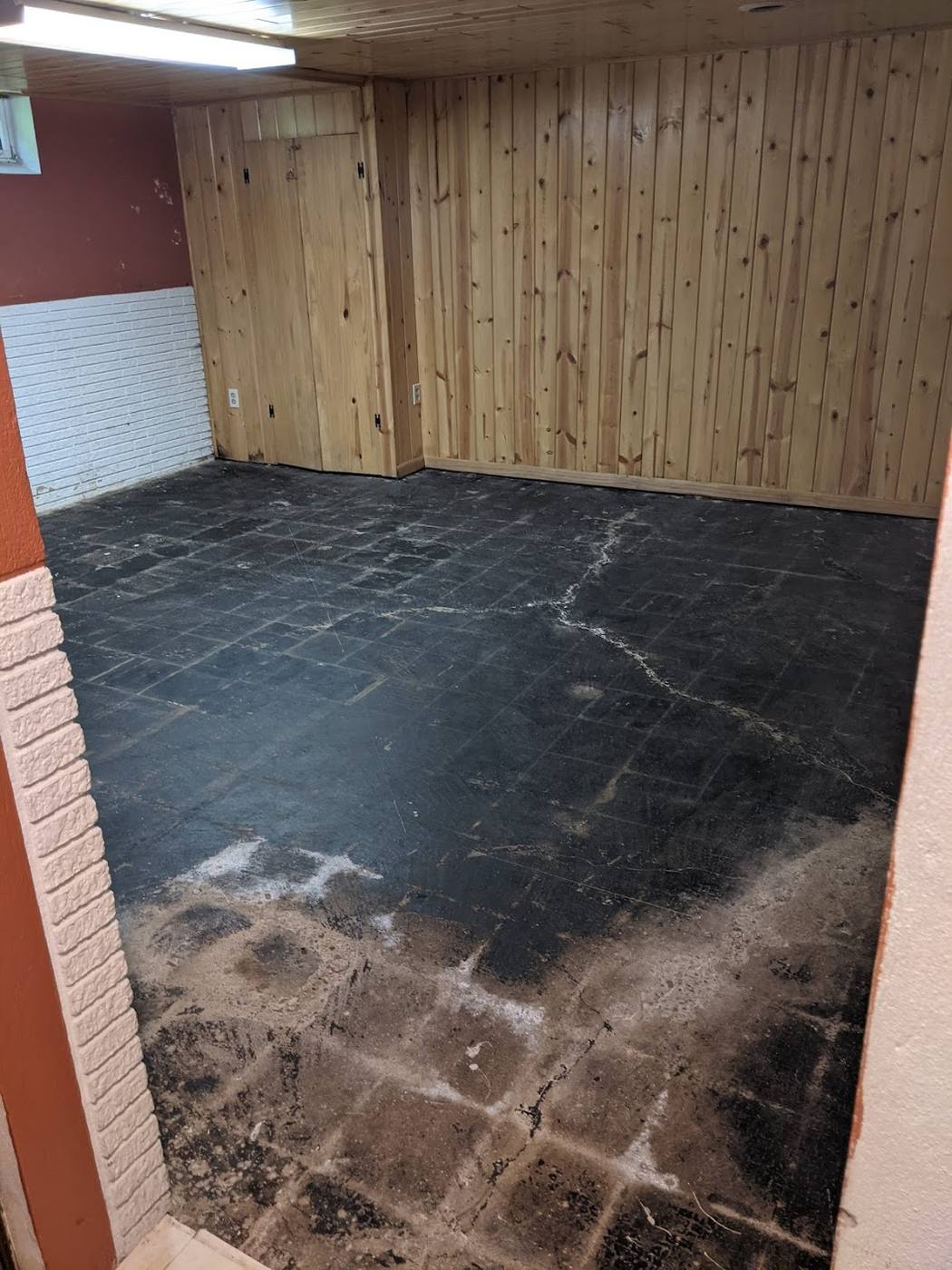
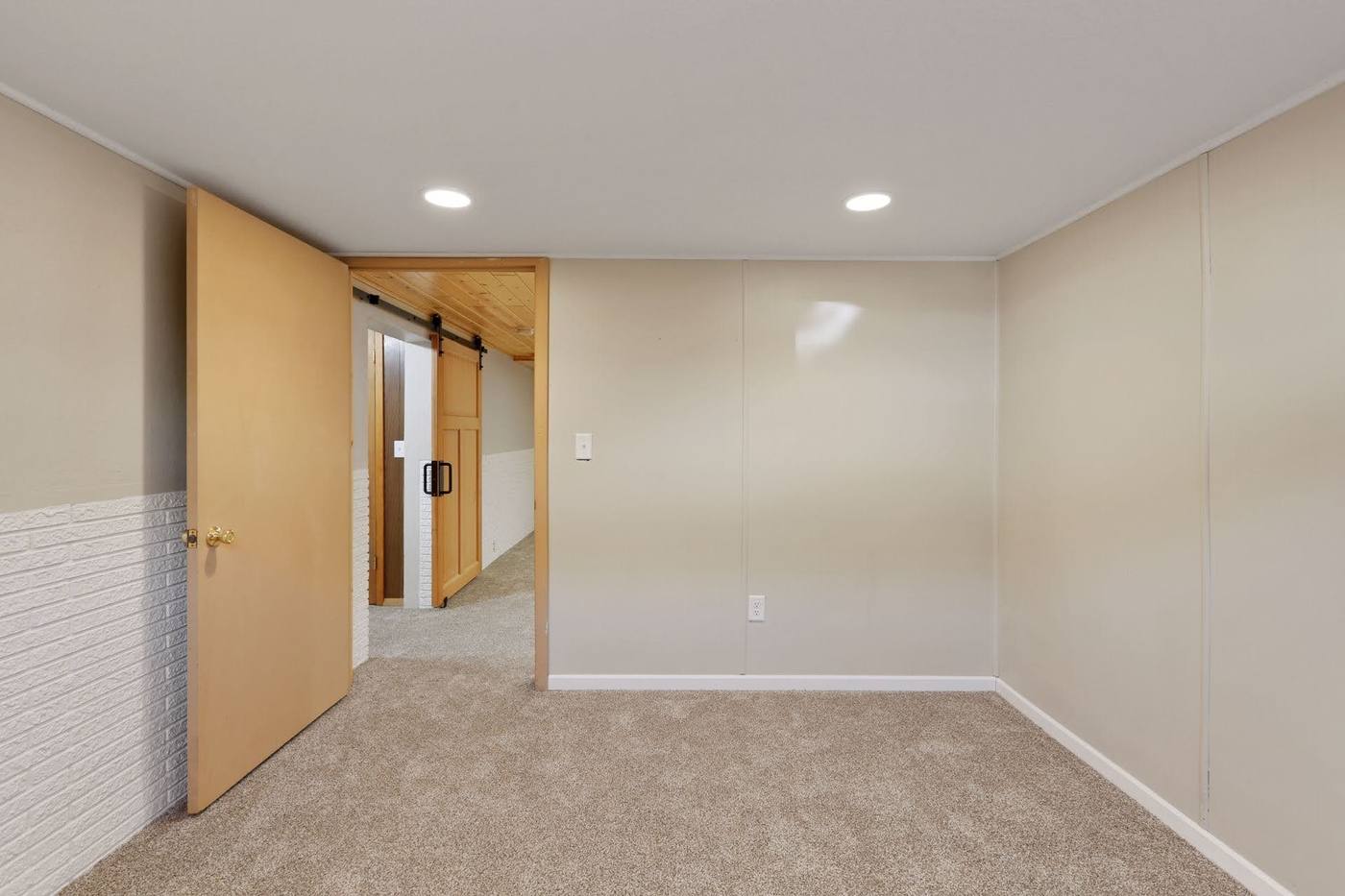
I buy as-is, so I price the repairs into the offer and you don't fix anything first. I come see the house once, tell you the number, and a local title company closes. The projects page shows houses I bought in rough shape.
If the order is about junk, trash or a packed house, I can clear it out. Ask the inspector what else is needed to close the order.
If a city letter is stressing you out, send me the address and what the letter says, and I'll tell you honestly whether I can help.