
In Minnesota, an inherited house is usually sold by the court-appointed personal representative, and the law generally lets that person sell without asking the court for approval of each sale. The exceptions are a will or court order that limits the sale, and a surviving spouse's homestead rights. A house that passed by a transfer-on-death deed skips probate for that house, and the new owner can sell once the title paperwork is recorded. This page describes the rules. It is not legal advice.
What is the difference between informal and formal probate?
The Minnesota courts describe two routes. In informal probate, you file an application and the court appoints a personal representative without a hearing in front of a judge. It is meant for less complicated situations. In formal probate, you file a petition and a judge holds a hearing before appointing the personal representative. It fits more complicated situations, such as a contested will or unclear heirs (Minnesota Judicial Branch).
An informal application for probate of a will must state that the time limit for informal probate has not run out. That limit is generally three years from the date of death, unless special late-probate circumstances apply (Minn. Stat. 524.3-301).
Can a personal representative sell the house without court approval?
Usually yes. Under Minn. Stat. 524.3-715, a personal representative may sell real estate, for cash or on credit, at public or private sale. The statute sets these limits:
- The will or a court order in a formal proceeding can restrict that power.
- The representative must act reasonably for the benefit of the people with an interest in the estate.
- Heirs and devisees do not have to consent, unless the property was specifically left to them.
- If a surviving spouse takes an interest in the decedent's homestead, it cannot be sold without the spouse's written consent.
A title company will still want to see the court paperwork that proves who the personal representative is before it closes.
What if the house has a transfer-on-death deed?
A transfer-on-death (TOD) deed says the house goes to a named person when the owner dies. Under Minn. Stat. 507.071:
- It only works if it was recorded in the county where the property is before the owner died.
- After death, the beneficiary clears title with an affidavit of identity and survivorship, a certified death record, and a clearance certificate, all recorded in the county.
- The beneficiary takes the house subject to mortgages, liens and judgments that existed at death. State and county medical assistance claims can also reach the property if the estate's other assets are not enough.
- If the deed names several beneficiaries or one has died, the statute has rules on shares and replacements. Those cases are worth an attorney's time.
Where is probate filed in Hennepin and Ramsey counties?
| Hennepin County | Probate is in the Government Center, 300 South 6th Street, Minneapolis. Deeds and TOD paperwork are recorded by the Hennepin County Recorder and Registrar of Titles. |
|---|---|
| Ramsey County | Probate is in the Ramsey County Courthouse, 15 West Kellogg Boulevard, St. Paul (Ramsey probate court). Deeds are recorded by the Ramsey County Recorder. |
As of November 2026. Check room numbers, hours and filing fees with the court before you go.
How does a sale usually go once probate is open?
- Get letters of appointment. This is the court document showing who the personal representative is.
- Check the will and any court orders for limits on selling.
- Sign a purchase agreement. The personal representative signs. You can often do this while probate is still open.
- Close at a title company. They check title and the court paperwork, pay off any mortgage or liens, and the proceeds go to the estate.
- Distribute the proceeds to the heirs as the will or the law directs, after debts and costs are handled.
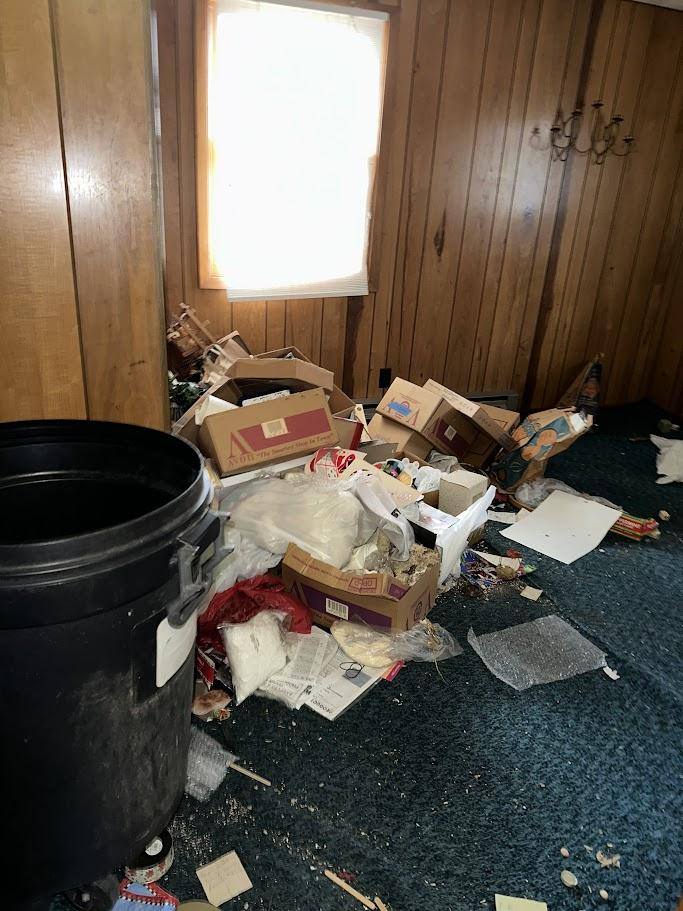
What about all the belongings in the house?
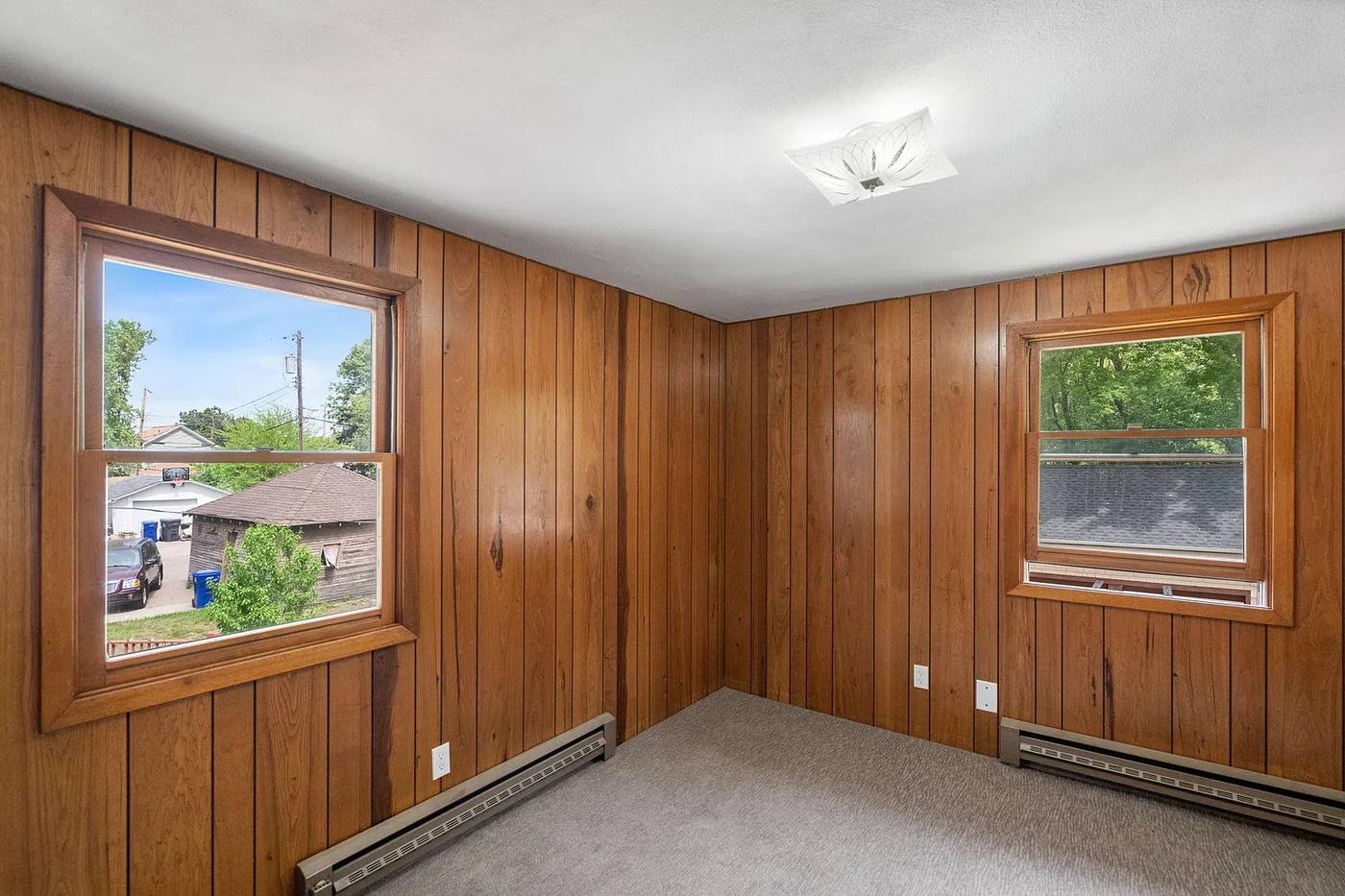
Clearing a parent's house is slow and emotional. You have two options with me. I can do an estate cleanout and leave the house empty and ready to list. Or, if you sell to me, you don't have to empty it at all: take what matters to the family and leave the rest. Before anything leaves the house, make sure the personal representative (or the heirs, if there's no probate) agrees. That is often what lets families who live in another state finish in one trip. For an example of a house that was packed full, see the St. Paul duplex.
Are there taxes to think about?
For federal income tax, inherited property generally gets a tax basis equal to its fair market value at the date of death, not what the person originally paid. That is often called a "step-up" in basis, and it can mean little or no taxable gain if you sell soon after (IRS Publication 551). There are exceptions, and Minnesota has its own estate tax rules. Ask a tax pro about your situation, and get a date-of-death value for the house in writing.
Where does a cash sale make sense?
If the house needs work, is full of belongings, or the family just wants it settled, a cash sale can cut months off the process. If it is in good shape and nobody is in a hurry, listing may bring a higher price. I'll tell you honestly which I think fits. I'm a private buyer, not your agent. See selling as-is in Minnesota for the tradeoffs.
If you've inherited a house and want a plain number with no pressure, tell me about it and I'll give you a cleanout quote, an honest offer, or an honest "list it" if that's better for you.
Sources
- Minnesota Judicial Branch: Probate, wills and estates
- Minn. Stat. 524.3-301, informal probate applications
- Minn. Stat. 524.3-715, personal representative's transactions and powers
- Minn. Stat. 507.071, transfer on death deed
- Minnesota Courts: Ramsey County probate court
- Hennepin County: record land title documents
- Ramsey County Recorder's Office
- IRS Publication 551, basis of assets